Upsurge in mass timber awareness and application
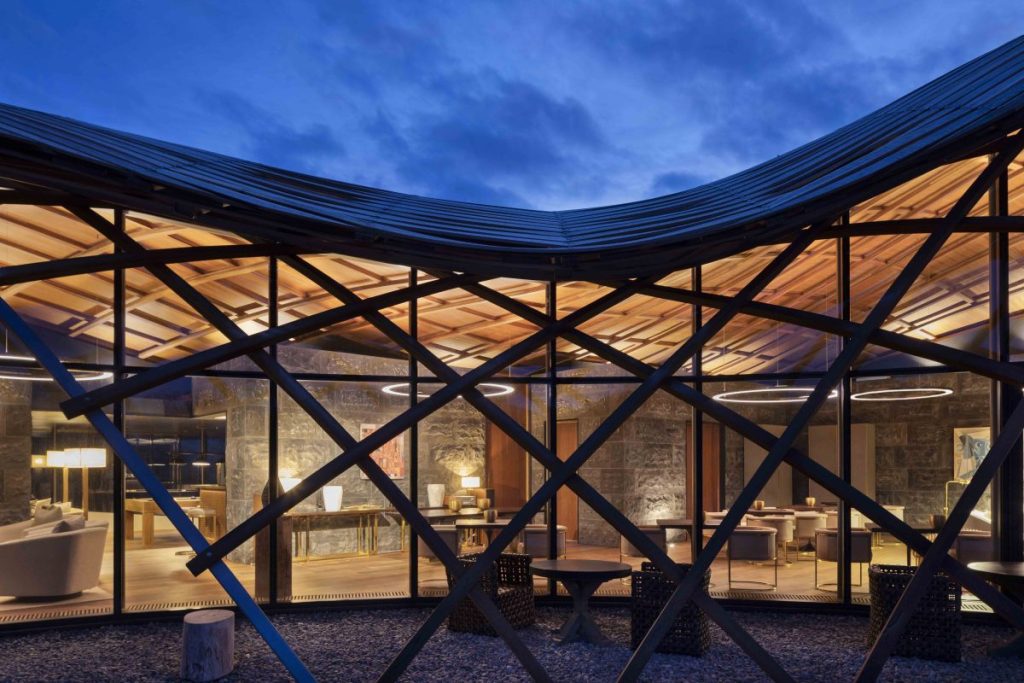
Envisioning a future where timber is used more widely in construction throughout New Zealand and contributing to carbon-neutral targets is an exciting opportunity and the tools to make this a reality are now coming together.
The Building Research Association of New Zealand (BRANZ) highlighted a significant upsurge in mass timber awareness and application in its survey of building and construction experts.
Wood Processors and Manufacturers Association chief executive Mark Ross says the finding is encouraging and signals an increased adoption of engineered timber products by builders, designers, and architects in New Zealand.
“The timber that we are talking about is not only renewable but has environmental advantages over steel and concrete when it comes to carbon storage and durability,” Mark says.
“With New Zealand’s sustainable forestry model, using locally grown timber supports our circular bio-economy, climate change targets, and domestic processing of logs.
Forecasting by Deloitte indicates that increasing our market share of timber by 25 percent would remove an additional 920,000 tonnes of carbon dioxide from the environment each year. Greater use of timber is critical to rebuilding New Zealand’s economy, boosting our GDP, and providing regional jobs in a highly productive sector.
The BRANZ survey is carried out biennially. Data compared over five years highlights noticeable growth in the role of mass timber use in New Zealand construction.
This mirrors global trends, with the engineered wood products market projected to grow by 77 percent to $268 billion (NZD) by 2031.
Changes in engineered timber use can be attributed to a heightened focus on carbon-neutral construction practices, the increasing demand for energy-efficient buildings, and consumer preference for natural materials.
Mid-Rise Construction, a co-investment programme between MPI and Red Stag, supports the BRANZ survey and stimulates the use of mass-timber engineered wood products in construction.
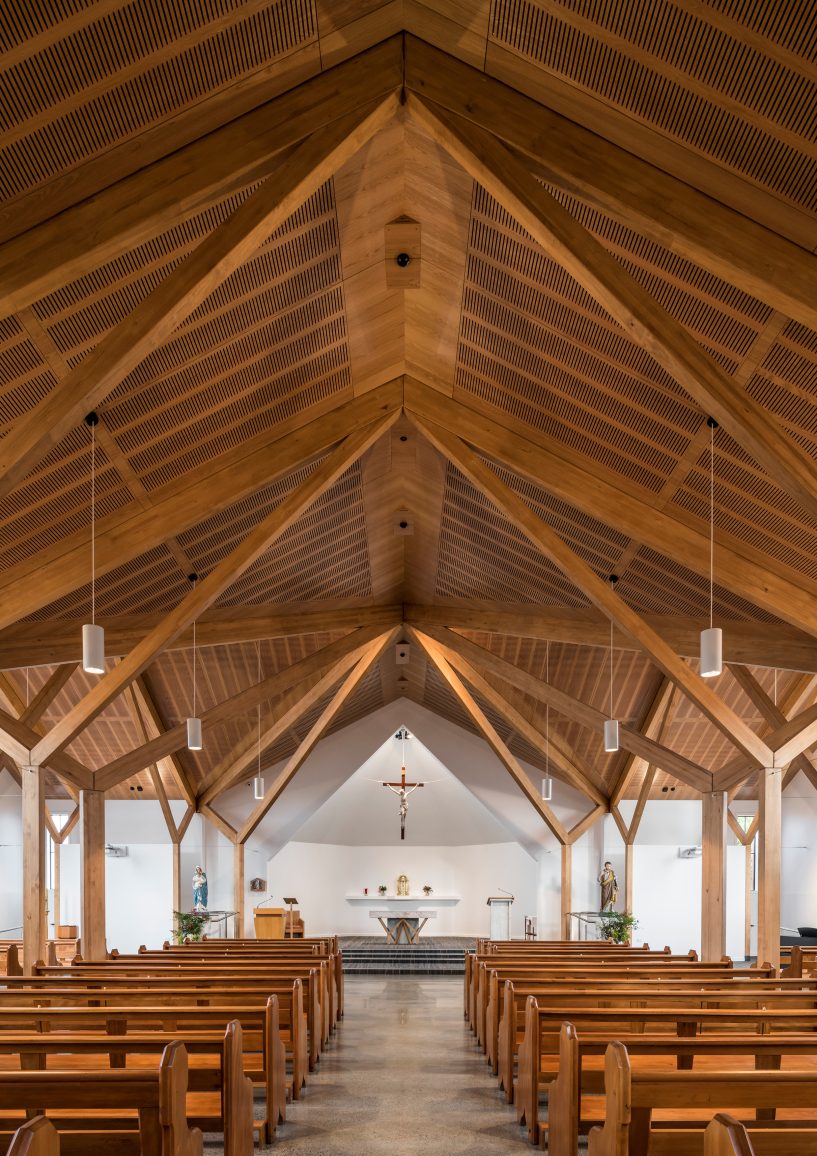
Increased timber in construction commitment pledged At COP28
Last December’s announcement at COP 28 for increased use of timber in construction as a vital decarbonisation tool is another driver of wood’s continuing demand.
The announcement was heartily applauded by the Wood Processing and Manufacturers Association (WPMA).
With key allies such as the United States, Japan, Australia, and Great Britain committed to the pledge, New Zealand is now on board and part of the global coalition.
WPMA chief executive Mark Ross says “The construction sector and the built environment accounts for more than a third of global emissions and it is critical that countries move quickly to lower carbon emissions and increase stored carbon by using far more timber in buildings.
“Initiatives such as the ‘Building for Climate Change’ regulatory programme and ‘lowest carbon building procurement policy’ are good starts’, he says, “but more needs to be done by the Government, such as the recognition of the value gained in long-term carbon storage from the domestic manufacture of harvested wood products.
“As a country we have a lot to gain through supporting increased timber usage. It is essential that our new government now steps up and joins the global parties in committing to advancing policies and approaches that support low-carbon construction.”
Director at Timber Unlimited, Dr Robert Finch says, “The possibilities for timber aren’t limited to traditional uses anymore. We all know timber can be aesthetically beautiful as well as being an impressive building material, and it’s sustainable too.”
NZ Timber Design Awards manager, Debbie Fergie says, “From residential and commercial architectural excellence, to innovative uses of engineered wood, to new ways to use specialty timbers – wood is now firmly established as a favourite of forward-thinking architects and engineers, and the NZ Timber Design Awards proved this.