How arsonists see asbestos
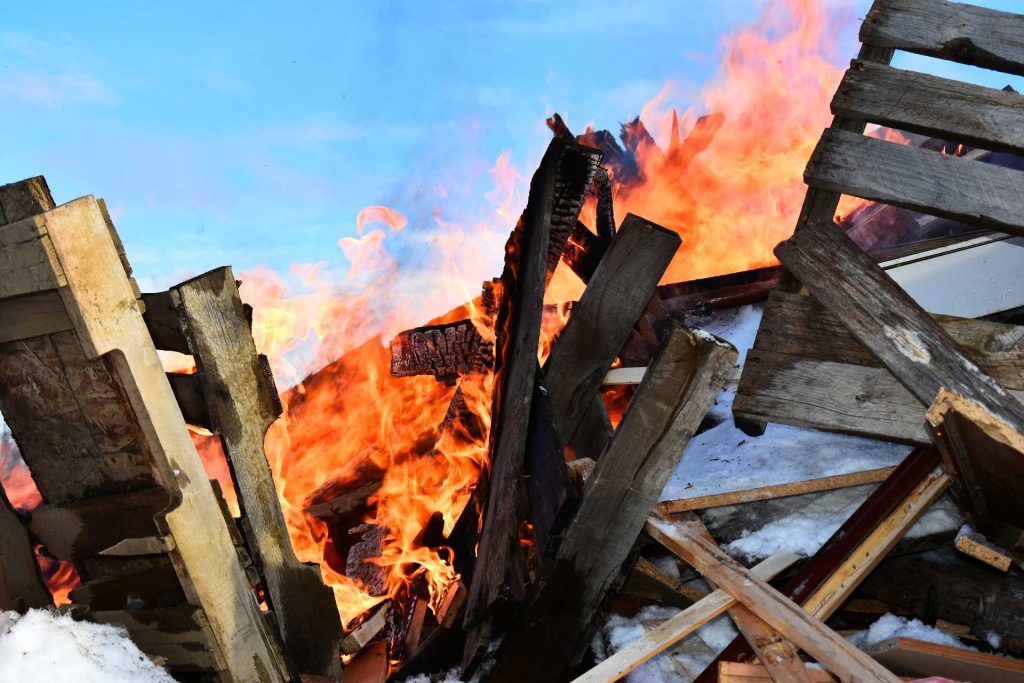
Arson crime is on the rise. A fire was deliberately lit at a Hibiscus Coast café over Halloween weekend. It’s the latest in a series of attempted arson on Ōrewa businesses. “I want the community to know that these attacks on local businesses won’t be tolerated and we are working hard to hold those responsible to account,” Waitematā North Area Commander Inspector John Thornley says. He noted how arson not only damages property but also affects people’s livelihoods.
A week earlier, an abandoned Palmerston North bar went up in flames. Police deemed the circumstances around the blaze suspicious. Possible asbestos threats from the building prompted the nearby school to close, and an alert was issued to residents advising them to turn off their air systems and close their windows.
The fire at the old Fitz bar, which first opened in 1966, was under control after four hours. Heavy machinery was brought in. Thick, black smoke billowed across the township. In August 2024, the general manager of the neighbouring Copthorne Hotel told the Manawatu Standard the pub building was being demolished, though there were no immediate redevelopment plans.
Fire damage can linger long after the flames are extinguished, particularly in older buildings that contain asbestos. Flames and heat can crack, spall, or partially melt asbestos-containing materials, releasing microscopic fibres into the air. These fibres are so light that they can remain airborne for days, posing a risk to anyone nearby—even after the fire appears to be out. For this reason, only trained professionals with protective equipment should handle burnt or disturbed asbestos.
Abandoned, asbestos-laden buildings can be attractive targets for arson. While water from firefighting efforts can temporarily suppress airborne dust, fibres may linger once surfaces dry, potentially contaminating soil, dust, and debris for weeks. The combination of structural damage and airborne fibres makes post-fire environments hazardous for both the public and emergency responders.
Older buildings with asbestos also carry serious regulatory and financial burdens. Specialised surveys, licensed removal, and strict handling controls make demolition complex and costly. In some cases, this has created perverse incentives for owners or others to try to remove a building quickly. Authorities, however, treat any deliberate destruction of asbestos-containing structures as a major health and safety issue.
Jurisdictions actively prosecute and fine those who burn demolition material or mishandle asbestos, with courts imposing significant penalties where controls are ignored. The legal and public health risks mean that while abandoned asbestos-laden buildings may attract criminal activity, any attempt to shortcut demolition through fire is both extremely dangerous and highly illegal.