More floods, more insurance claims
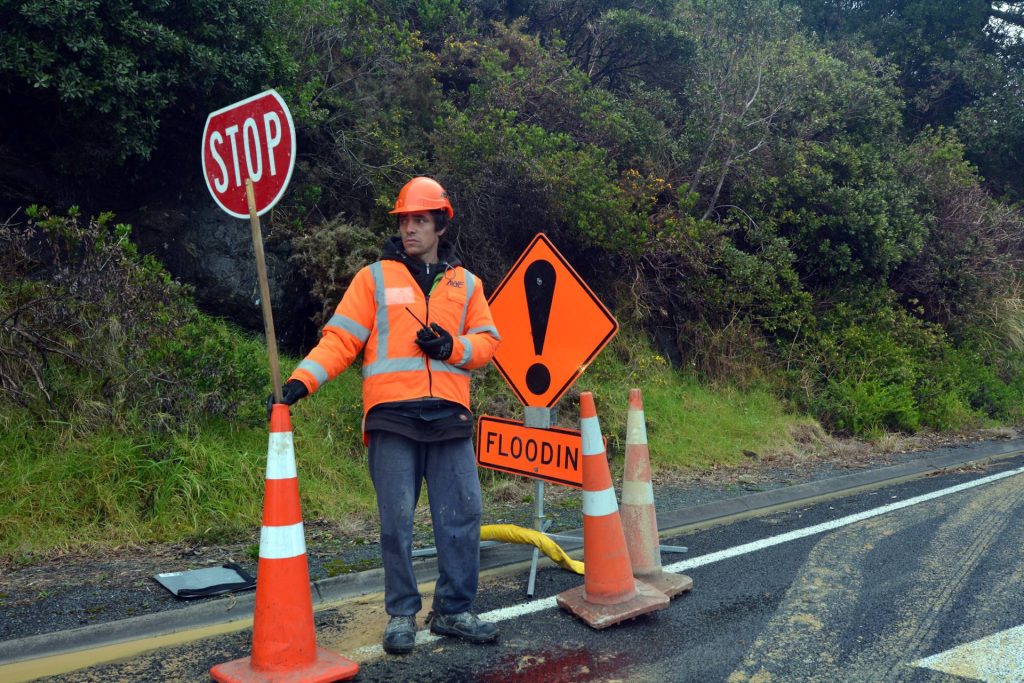
The Insurance and Financial Services Ombudsman Scheme (IFSO Scheme) is urging consumers to make honest and accurate claims for flood damage, amid growing concern from New Zealanders about the rising impact of natural hazards on insurance affordability and accessibility.
Based on responses from more than 1,000 people, 67% of respondents believe natural hazards affect their insurance premiums “a great deal” or “a fair amount,” with this view particularly pronounced among older New Zealanders, professionals, homeowners without mortgages, and those who had recently filed a claim.
About one in four felt they lacked adequate information on natural hazards when buying or owning property, with Wellington residents less likely than average to feel well-informed. The factors most commonly seen as limiting access to property insurance were the prospect of a major natural disaster in New Zealand and increasingly severe weather risks.
Respondents indicated that the most effective measures to reduce the risk of insurance becoming unavailable would be to restrict construction in high-risk areas and invest in stronger flood defences and infrastructure to address sea level rise.
“These results show that New Zealanders are highly aware of the pressures natural hazards and climate change are placing on insurance,” ICNZ Chief Executive Kris Faafoi says. “We need a combined effort from government, councils, and communities to reduce risks and ensure insurance remains accessible.”
“The findings underline the growing need for transparent hazard information, smarter land-use decisions, and resilient infrastructure investment to maintain long-term insurance accessibility in New Zealand.”
IFSO calls for honest, accurate claims
Insurance & Financial Services Ombudsman, Karen Stevens, says that with more frequent flooding events, many New Zealanders are facing the stress of making insurance claims. She says it’s important to know the consequences of making a false statement on an insurance claim.
Following the Auckland floods in January 2023, Heather* claimed that 43 household items had been damaged and discarded. However, the insurer discovered that some of these items were actually stored in a nearby facility.
After Heather revised her list to just 10 items, the insurer concluded that false statements had been made and declined her claim, cancelling her policy. The IFSO Scheme found that Heather’s claim for compensation was “deliberately reckless” due to her failure to verify the status of the items, and her complaint was not upheld.
“Providing false information can result in your whole claim being declined, not just the items that were inaccurately included. And if you’re found to have committed fraud, then you’ll likely not be able to get insurance in future,” Karen says.
She advises that people unsure about the details should verify them before submitting their claim. “It’s important to remember that insurance relies on trust. Honesty is always the best policy—especially when so many are relying on insurance to recover from natural disasters.”
New research projects inspire
More than $1.2 million has been awarded through the Natural Hazards Commission’s (NHC) 2026 Biennial Grants round, meaning 13 new research projects to understand better how New Zealand can handle floods and earthquakes.
These projects include a closer look at Auckland’s hidden faults, new disaster insurance models for marae-centred communities, and practical retrofits to make homes safer from natural hazards.
“We’re not just the ambulance at the bottom of the cliff,” says NHC Head of Research, Dr Natalie Balfour. “We want to strengthen the cliff or, better yet, ensure people don’t build there in the first place.”
She says this year’s grants round was the most competitive since the programme began in 1989.
“There’s a real sense of momentum, with researchers across engineering, mātauranga Māori, social science and physical science coming together to take a genuinely holistic approach to resilience.
“That’s exactly what’s needed if we’re to reduce the impact of natural hazards on people, property and communities.
“Many of this year’s projects are led by early-career researchers, helping to grow New Zealand’s pipeline of experts dedicated to natural hazard resilience.”
The Biennial Grants are part of NHC’s $10 million annual investment in research and initiatives that help reduce natural hazard impacts. The next funding round, for university-led research projects of up to $450,000, will open in early 2026.