How an asbestos scare shut down over 100 schools
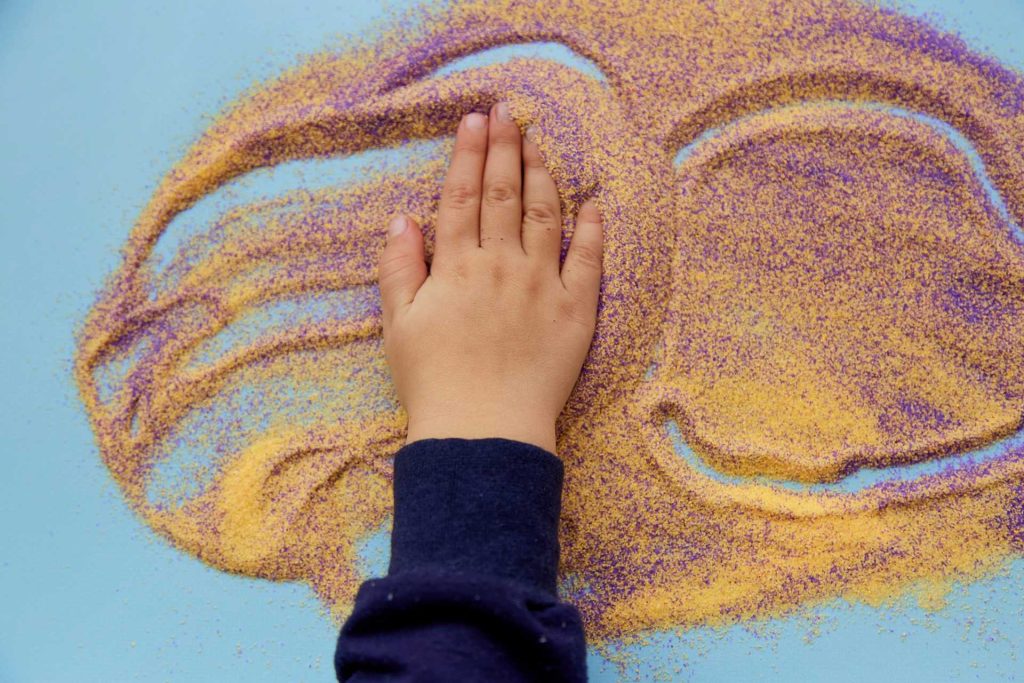
Six children’s coloured sand products prompted widespread school closures across Australia and New Zealand in November 2025 after laboratory testing detected traces of tremolite and chrysotile asbestos. By mid‑November, dozens of schools in New Zealand and over 70 in Australia’s ACT had temporarily shut, while hundreds more sought guidance from regulators.
The products, rainbow sand from Educational Colours and coloured sand from Creatistics, sold through Kmart as a 14-piece sandcastle set and blue, green, and pink Magic Sand sets, are used for play, crafts, and sensory learning. Testing indicated asbestos fibres were not airborne in their intact form, meaning the immediate inhalation risk was low unless the sand was crushed or pulverised.
“This is an incredibly distressing situation, and I can totally understand why parents would be very concerned,” said Dr Terri-Ann Berry, asbestos expert at Auckland University of Technology and chair of the Mesothelioma Support and Asbestos Awareness Trust. She reassured caregivers that short-term handling of intact sand carries minimal risk but emphasised following professional disposal instructions.
“Asbestos (like tobacco smoke or radiation) has no safe level, and therefore we try to avoid exposure. However, it is important to know that not every exposure episode will lead to the development of cancer.”
The asbestos traces were likely present in imported sand batches manufactured overseas. Both Educational Colours and Creatistics sand were packaged abroad before being sold in Australasia between 2020 and 2025. While asbestos is naturally occurring in some mineral deposits, its presence in children’s play products is prohibited. Experts say the incident highlights the need for rigorous import testing, particularly for products intended for children.
“While all forms of asbestos can be harmful, the type involved here (tremolite) is generally considered less hazardous than other types, such as blue or brown asbestos,” says Professor Fraser Brims, director of the Curtin Medical School.
“When asbestos dust is inhaled, the lungs will usually clear it out naturally. But smoking or vaping can interfere with this process, making it harder for the lungs to protect themselves. It’s important to avoid smoking and vaping, especially around children, to protect everyone’s lung health.”
Asbestos-related illnesses, such as mesothelioma and lung cancer, generally develop after prolonged exposure to airborne fibres. The granular sand poses little risk unless disturbed, but authorities stress that no exposure is considered entirely safe. Schools were instructed to isolate the sand, avoid sweeping or vacuuming it, and engage licensed removalists for any disposal.
Leave asbestos removal to the professionals
Asbestos removal should be left to licensed specialists who follow a strict, step-by-step process designed to protect health and meet regulatory requirements. Disturbing the sand in any way, such as pouring, sweeping, shovelling, rolling, vacuuming, or wiping, can release fibres and create airborne hazards.
First, they conduct a full risk assessment, which includes not only visual inspection but also sampling and lab analysis to determine fibre type, concentration, and whether the asbestos is friable (easily airborne). Many household vacuums are unsafe for asbestos; only HEPA-filtered asbestos vacuums can properly capture fibres. Even seemingly harmless granules can release dangerous fibres if disturbed during handling.
Once the assessment is complete, removal teams establish a controlled environment. This may include temporary negative-pressure barriers, plastic sheeting, and sealed entry points to prevent fibre escape. Air filtration units with HEPA filters are often deployed to continuously capture any airborne particles, even those invisible to the naked eye.
Workers wear full personal protective equipment (PPE), including disposable coveralls, respirators, gloves, and boot covers. A step many non-specialists overlook is the decontamination protocol: all equipment and clothing are carefully removed and sealed before leaving the site to avoid accidental contamination elsewhere. All clothing, tools, and equipment that came into contact with the sand are treated as asbestos waste.
During removal, specialists use techniques that minimise dust generation, such as gentle wetting of surfaces or using hand tools instead of power tools. This is crucial because disturbing asbestos fibres can dramatically increase health risks. After removal, a licensed asbestos assessor performs a clearance inspection, including surface sampling and air monitoring, to confirm the area is safe for reoccupation. Only after clearance is issued can the site be reopened.
Finally, all waste is double-bagged in labelled, sealed asbestos waste bags and transported to a licensed hazardous landfill. Specialists document every step, producing detailed reports for schools or property managers, which can be essential for liability and compliance. Insurance and compensation for asbestos incidents can also be complex.
Licensed asbestos removal specialists understand these nuances. Even small oversights in handling or disposal can have lifelong health consequences, something many untrained staff simply wouldn’t anticipate.