New home consents surge 21%
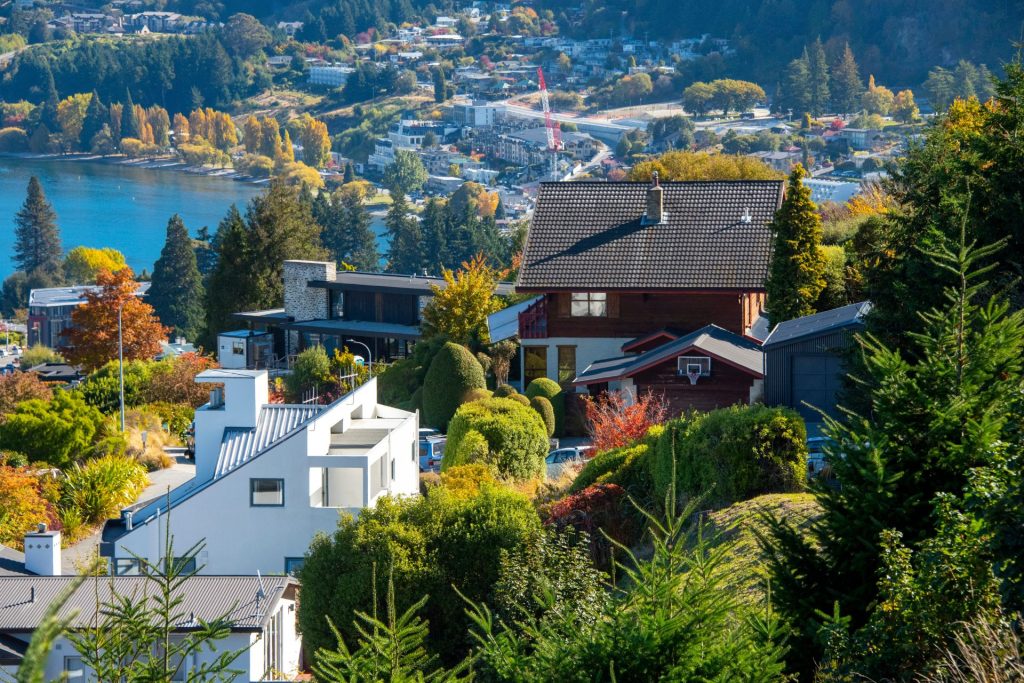
There were 40,908 new homes consented in New Zealand in the year ended July 2026, up 21% on the 33,879 consented the year before, according to new Stats NZ figures. “Annual home consent numbers have continued to strengthen in recent months, with increases in both stand-alone houses and multi-unit homes,” economic indicators spokesperson Michelle Feyen said.
But consents are approvals not jobs on the ground. Westpac senior economist Satish Ranchhod expects that gap to start closing. “With a trend higher in consent numbers over the past year, we expect to see home building activity lifting through the second half of this year,” he wrote in the bank’s note on the June consents, adding that Westpac remains cautious about the outlook heading into next year.
The work is not spread evenly. Auckland consented 17,260 homes, up 20%, and Canterbury 8,732, up 33%, with Selwyn district alone up 59%. Measured against population, Canterbury is now consenting 12.5 new homes per 1,000 residents against a national rate of 7.7, and at district level Queenstown-Lakes leads on 38.7 and Selwyn on 26.9. Multi-unit homes made up just over half the annual total at 22,024, with townhouses, flats and units at 17,829. That mix rewards firms set up for repetitive framing and shorter spans. A townhouse block is a different business to a one-off build.
As for costs, Ranchhod pointed to “some large increases in building costs in the wake of the Middle East war”. Capacity is tighter again. Roughly one in five construction workers is 55 or older, apprenticeship completions are tracking lower, and MBIE data points to another wave of skilled tradespeople nearing retirement. Three lean years took crews, subbies and supply capacity out of the market, and 7,000 extra consented homes have to be built by whoever is left.
Commercial contractors are reading a different release. Non-residential building consents totalled $8.8 billion for the year, down 2.5%. Offices, administration and public transport buildings fell 2.3% to $1.7 billion and storage buildings 1.2% to $1.3 billion. Education was the only major category to grow, up 8.4% to $1.3 billion. Stats NZ notes the series moves with prices as well as volume, and non-residential construction prices rose 2.2% in the year to June.
The residential pipeline is filling while the commercial one thins, and the constraint has moved from finding work to staffing and pricing it. For builders, that argues for locking in labour and key subcontractors ahead of the lift Ranchhod expects, particularly in Canterbury and Queenstown-Lakes. For commercial and civil firms, education is the category still moving.
One number complicates all of this. After seasonal adjustment, July’s consents fell 4.3%, following a 3.7% fall in June. Two down months do not undo a 21% year, but they are where a turn shows up first. Stats NZ releases the August figures on 1 October. Builders pricing 2027 work will learn more from that seasonally adjusted line than from the annual headline they are being congratulated on this week.