Asbestos neutralisation trial begins
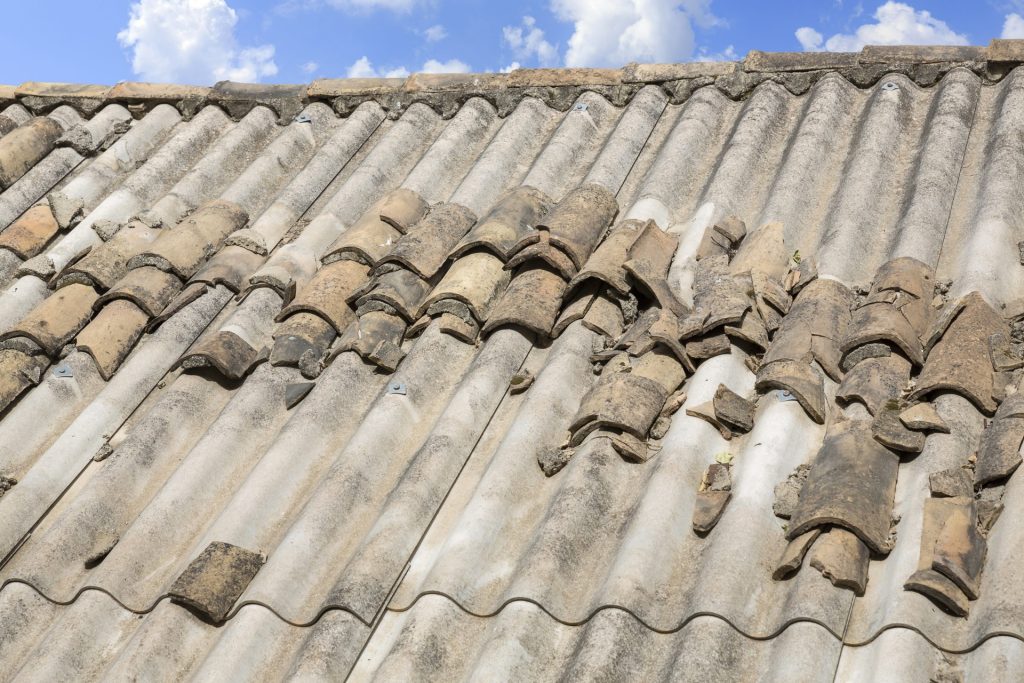
Councils and waste operators face rising volumes of contaminated material from demolition, renovation, and infrastructure upgrades. Much of the concern stems from ageing building stock, where asbestos-containing products installed decades ago are now being disturbed during redevelopment, placing additional strain on disposal systems that still rely heavily on long-term burial.
Health and safety authorities continue to stress that asbestos remains one of the country’s most serious legacy hazards. Even small-scale exposure can pose long-term health risks, and strict handling requirements have driven up compliance costs for contractors and slowed down some demolition projects. At the same time, landfill capacity pressures and community concern over the ongoing burial of hazardous materials have added urgency to the search for safer, more permanent solutions.
With this in mind, a new trial at Silverstream Landfill is set to test whether emerging technology can change how asbestos waste is managed in New Zealand. A newly installed asbestos destruction plant is preparing to begin a major trial involving Environmental Decontamination Limited (EDL) and Hutt City Council, marking what is being described as a New Zealand first.
The trial will assess EDL’s MCD® technology, which uses high-energy milling to break down the fibrous crystalline structure of asbestos. The process is designed to alter the material at a fundamental level, removing the fibre structure responsible for its hazardous properties and converting it into a stable, non-hazardous form that may reduce the need for long-term landfill storage.
High-energy milling (or mechanochemical processing) destroys asbestos by mechanically breaking its rigid crystalline lattice. The violent shearing and crushing forces alter the material at a fundamental level, converting hazardous, respirable fibres into safe, amorphous, or recycled mineral derivatives. The technology is designed to avoid emissions associated with incineration and may offer circular economy benefits by enabling reuse in construction materials such as concrete, ceramics, or road aggregate, while achieving permanent inertisation of hazardous fibres.
Hutt City Mayor Ken Laban says the council has worked to bring the trial to Silverstream in response to the ongoing challenge of asbestos disposal. He says the current system effectively shifts responsibility into the future, with buried material remaining a long-term risk for coming generations.
“For decades, asbestos has been buried and left for future generations to manage. This trial gives us the chance to explore a safer and more sustainable alternative to simply burying asbestos waste,”
Laban said. “If the trial delivers the results we expect, there is real potential for a long-term facility here in Lower Hutt that could support jobs, innovation and safer waste management.”
EDL chief executive Marcus Glucina says the focus is on carefully testing the technology under controlled conditions rather than making early claims. He says the project is about gathering evidence on whether asbestos can be safely treated at scale.
“This is the kind of challenge MCD® was built for,” Glucina said. “We are working with material that would otherwise remain a long-term hazard and through this trial we will test whether the material can be safely treated and potentially reused in the future.
The trial will be carried out by specialist engineers and scientists with strict safety controls in place throughout the programme. “This trial is not about making big claims before the evidence is in. It is about gathering the evidence needed to understand whether this technology can work safely on a global scale.”