Built for the south
From the Wakatipu basin to Foveaux Strait is around 600 kilometres. Inside that distance the southern landscape moves through snow country, frost flats, schist hillsides, wind-exposed coastline and salt-laden air, often inside the same project portfolio. No off-the-shelf specification covers it, and no out-of-region supplier learns it on the first job. That is the case for choosing products, materials and service providers with real Otago and Southland experience.
The climate sets the brief. Coastal Southland and the Catlins regularly experience wind speeds that push design loads well above the national baseline. Snow loadings across the Crown Range, the Old Man Range and the Pisa Range add another layer that many national specifications do not automatically account for. Central Otago’s freeze-thaw cycle is unforgiving on poorly detailed flashings, exposed plumbing and unprotected concrete. A product that performs perfectly well in Tauranga does not always perform the same way in Tapanui.
Experienced southern suppliers understand those differences instinctively. They know which roofing profile holds in a heavy southerly, which membrane survives a Central Otago winter, and which insulation strategy keeps a home warm without creating moisture problems in the local climate. That practical regional knowledge often matters as much as the product itself.
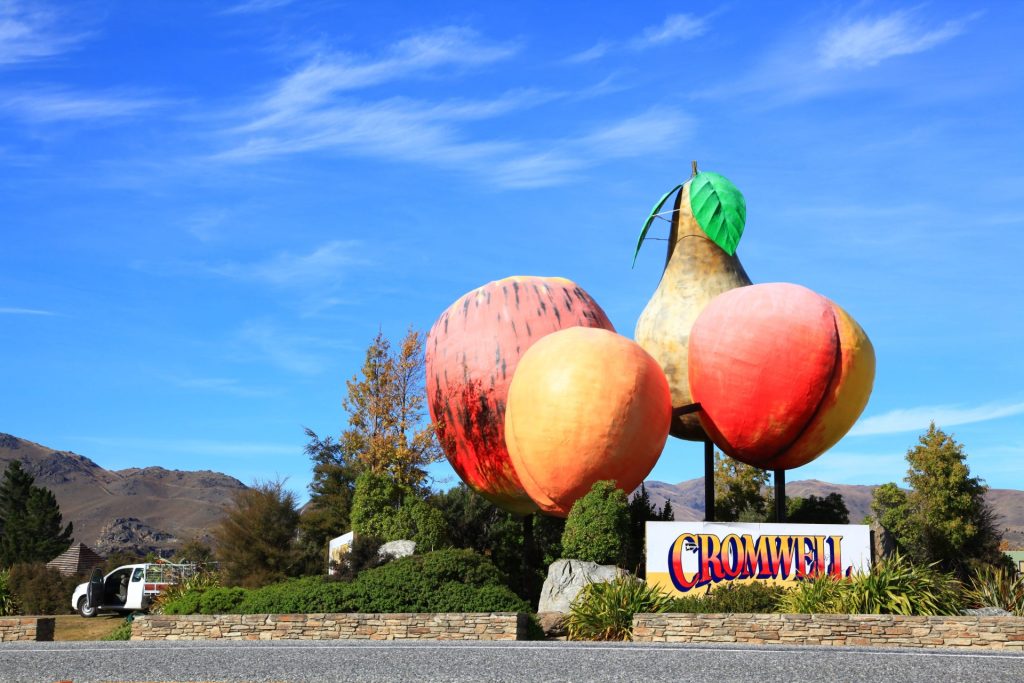
Consent is a regional conversation too. Design and amenity rules across Queenstown Lakes, including roof reflectivity, exterior colour palettes and landscape integration requirements in scenic corridors, are tighter than in much of the country. Cromwell’s heritage precinct, the Arrowtown historic zone and Dunedin’s stone-and-brick belt each carry their own overlays, while Southland District applies separate provisions across rural and coastal settlements. The architect, designer, surveyor or contractor with a strong record of consents granted on the first pass is usually the one who already knows what the council will ask before it asks.
Blending into the landscape is also treated differently in the south. Stewart Island/Rakiura is one of the world’s certified International Dark Sky Sanctuaries, and inland Otago basins are working toward formal dark-sky recognition of their own. Heritage areas across southern districts carry material and colour palettes written directly into consent frameworks. In many parts of the region, blending in is measurable: reflectivity values, sightline assessments, planted screening and dark-toned exterior schemes are not stylistic preferences but planning requirements.
Providers already working within those conditions, landscape designers, cladding suppliers, glaziers, lighting specialists, roofers and exterior painters, save homeowners and developers from discovering the rules the hard way at consent stage, or worse, after a complaint is lodged once the project is complete.
The strongest southern operators tend to share the same markers. They have a depot in the region, completed work across multiple southern districts, and established relationships with the councils, engineers and trades responsible for signing work off. They know what holds up here, what costs more to fix later than to specify properly now, and when a national-spec product simply will not survive a southern winter. In a part of the country that rarely forgives poor detailing or short-term thinking, that experience becomes part of the build itself.