New research urges flood-proofing
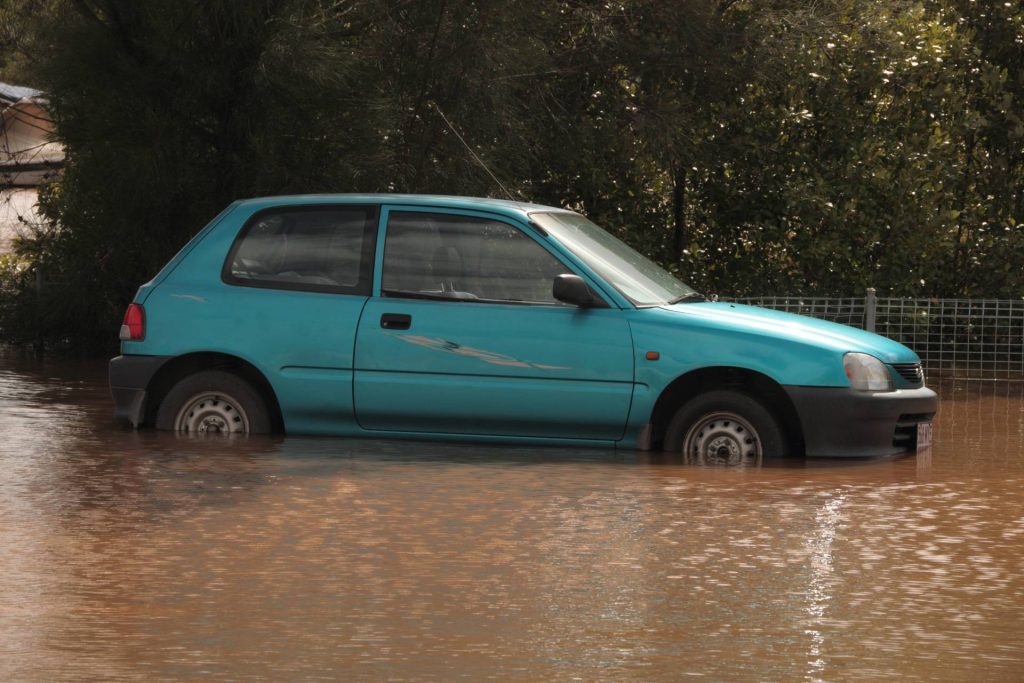
Approximately 7% of New Zealanders live in flood-prone areas, threatening our road network, urban centres, and national grid sites, according to new research by Earth Sciences New Zealand.
More than 750,000 New Zealanders live in locations exposed to flooding from one-in-100-year rainfall events, and the public research institute warns this number could increase to over 900,000 with a further 3 degrees of warming due to climate change.
About $235 billion worth of buildings across the country are exposed, which could rise to $288 billion if there is an additional 3-degree warming.
“Our country’s flood risk is increasing, and not just in places where we can remember floods occurring,” says Dr Emily Lane, the programme leader and principal hazards scientist at Earth Sciences NZ.
“This is partly due to climate change; we know that rainfall intensity is increasing across Aotearoa, with more rain falling in shorter periods. Rapid urban intensification is another contributing factor.”
“Increasing extreme rainfall due to climate change is one of the biggest and most impactful hazards faced by New Zealand. The building of our towns and flood defences have been shaped by historical floods that are no longer a reliable guide to the future,” says Dr Sam Dean, principal climate scientist at Earth Sciences NZ.
“Predicting how flood risk is going to change is important to ensure we can protect people and places that we value in the most cost-effective way.”
To mitigate these risks, experts emphasise the importance of developing flood-proof infrastructure, including elevated roads, reinforced stormwater systems, resilient urban planning, and protective measures for critical national grid sites, thereby ensuring that communities and assets are better prepared for extreme rainfall events.
26,800 km of the nation’s roads, 14,100 km of stormwater pipelines, and 21% of national grid sites are also exposed to flooding. This could rise to 30,800 kms, 15,400 kms and 29%, respectively, with 3 degrees of warming.
The research revealed significant regional variations in exposure, ranging from 8% of people in Taranaki exposed to one-in-100-year rainfall events under the current climate to 34% on the West Coast.
The findings are the culmination of a five-year research programme examining flood risk across Aotearoa New Zealand. The programme involved wide-ranging collaboration with other research organisations, universities, councils, central government agencies and industry.
The project produced the first nationally consistent floor hazard viewer. It represents a significant step towards a national flood map that will provide property-level information about risk.
“Our new flood hazard viewer provides a clearer view across the country of which communities are at greatest risk from flooding, now and as the climate changes. The tool can be used to support risk assessments and adaptation investment decisions,” says Dr Dean.
Dr Lane says Earth Sciences NZ’s tool doesn’t replace localised maps already developed by many of New Zealand’s regional and unitary councils. “Local and regional flood models can provide the precision needed to understand property-level risk and to design infrastructure,” she says.
“Having consistent information is crucial for others to act to manage their own risk – from business to communities to infrastructure providers,” says Professor Iain White of the University of Waikato.
“This tool helps enable consistent processes for modelling and provides the foundation on which to build national-scale resilience. Providing certainty to decision makers will help avoid passing liabilities to current and future generations.”
There’s an urgent need to build with resilience in mind: designing homes, commercial buildings, and infrastructure to withstand flooding, incorporating raised foundations, flood-resistant materials, and stormwater management solutions to protect both people and investments as climate risks continue to rise.