Preventing potholes
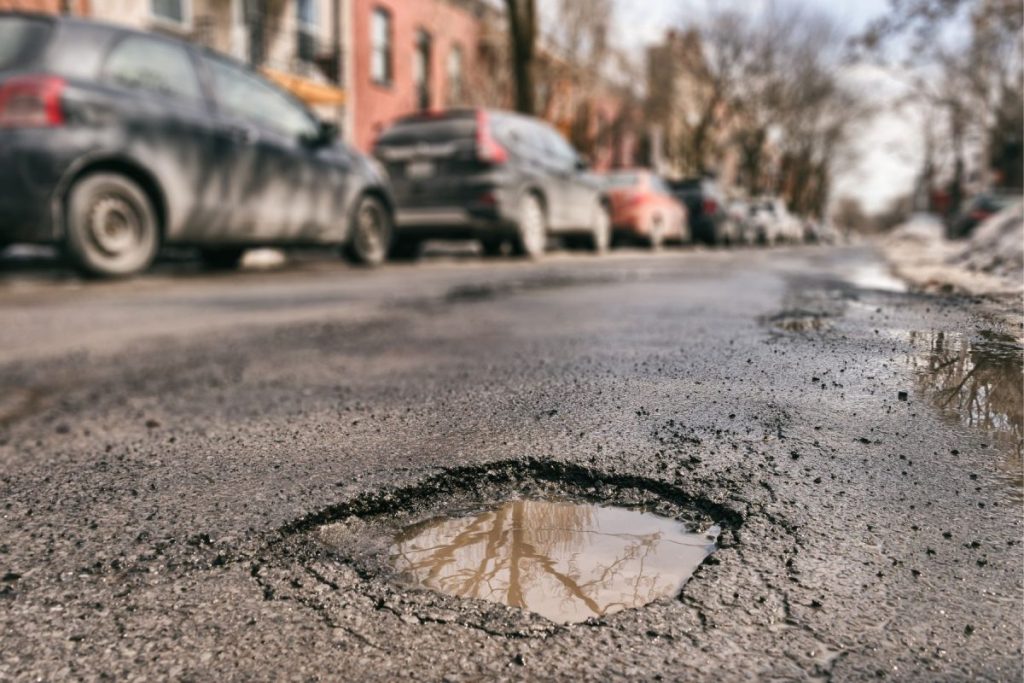
Nearly all potholes on New Zealand’s state highways are now being repaired within 24 hours, as the Transport Agency steps up preventative measures using new technology.
When it comes to road maintenance, one focus for the current Government is preventing potholes. The New Zealand Transport Agency (NZTA) continues to deliver its annual state highway renewal programme, thanks to $2.07 billion in investment for pothole prevention, focusing on road and drainage maintenance and renewals.
Over 21,000 newly rebuilt or resealed roads are promised, with almost 300 lane kilometres dedicated to delivering new roads and replacing old seals and pavements.
“Continuing our focus on rebuilding roads will reduce the number of potholes appearing on the state highway network during winter months, ensuring that New Zealanders experience stress-free travel year-round,” Transport Minister Chris Bishop says.
“After tripling delivery to over 300 lane kilometres last summer, producing the same result again this summer keeps the foot on the accelerator as NZTA continues working to improve the overall condition of the state highway network.”
Taranaki, the West Coast, coastal Otago (including Dunedin and Oamaru), and Southland are among the regions with major new road-building programmes, each set to gain more than 20 lane kilometres of new roads.
The Tīrau to Waiouru programme is also progressing, combining road rebuilding with asphalt surfacing at multiple sites. Bishop says road users are already noticing the improvements, emphasising that providing a safe, smooth, and resilient state highway network to support productivity and unlock economic growth remains a key priority.
NZTA has introduced new risk-based traffic management guidance, aiming to improve safety and efficiency on the state highway network while ensuring that controls are tailored to the level of risk at each site.
Bishop adds that this means the right number of cones and signs will be in place for the work at hand. Minimising the sea of cones on our roads has been a key focus for the Government this year.
“This will minimise disruption across the network while these works take place – often at times when many of us are finishing our Christmas shopping or taking our summer holidays.”
NZTA is also using data-driven technology to prevent potholes before they appear. Survey vehicles and sensors monitor road conditions across the state highway network, identifying areas at higher risk of deterioration.
This enables maintenance crews to target repairs proactively, focusing resources where they are most needed, rather than reacting to damage after it occurs.
The bigger picture
According to NZTA figures, 98% of potholes on state highways have been repaired within 24 hours. Advanced monitoring and predictive tools are helping NZTA prevent potholes from forming, keeping traffic flowing more smoothly and reducing disruption for both motorists and freight operators.
The combination of rapid repairs and proactive maintenance is designed to improve the overall reliability and resilience of the state highway network.
“Increasing productivity to help rebuild our economy is a key priority for the Government, and boosting pothole repairs and prevention will deliver a safe and reliable network that will support this growth,” then-Transport Minister Simeon Brown said in October 2024.
“The thousands of Kiwi motorists and freight operators driving on our state highways every day have become all too aware of the shocking number of potholes on our roads.
“Our Government has inherited a significant backlog of road maintenance across the country. We are now catching up on the maintenance deficit to ensure that Kiwis and freight can get to where they want to go, quickly and safely.
“Rehabilitation involves full-width repairs of our existing roads and renews the life of the roading pavement, rather than simply filling in potholes.
“Long-lasting rehabilitation work that strengthens the network and prevents potholes from forming in the first place is critical to lifting the quality of our roading network and has a much longer-lasting impact than re-sealing the road.”