Tradies ‘holding up well’, building well
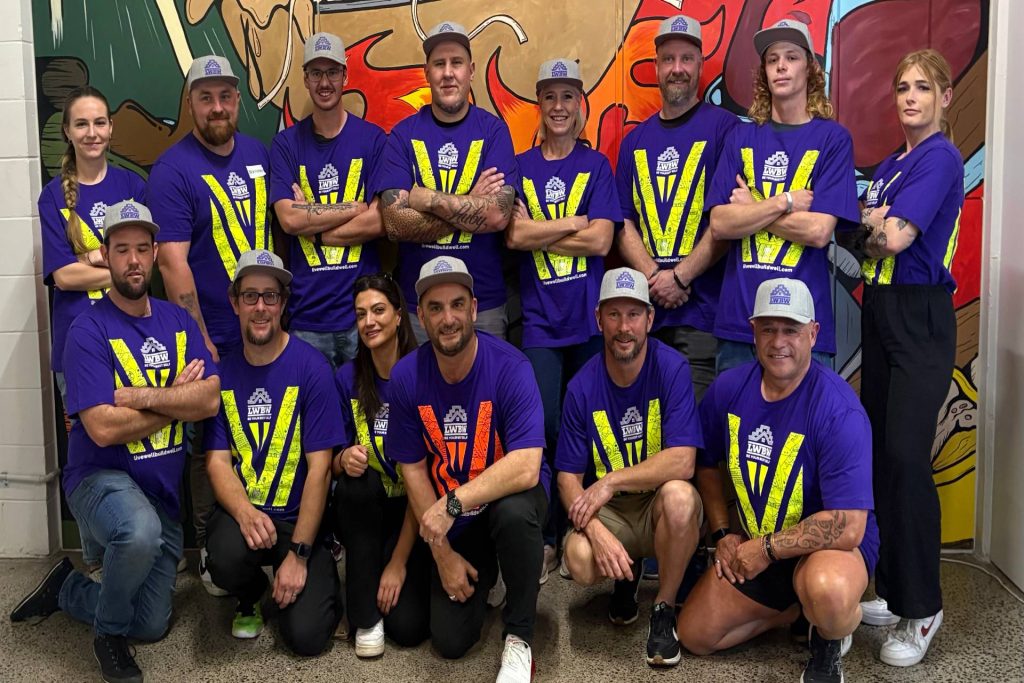
Despite a challenging 18 months for the building sector, many tradies are “holding up well,” says programme lead Rafael Caso, a message backed by this year’s Live Well, Build Well survey.
15% reported that inconsistent or insufficient hours were a key challenge in their jobs, up from 8% in 2024. Of the 641 builders and tradespeople surveyed, 25% still say they are stressed always, or most of the time. Additionally, 25% reported struggling to find a work-life balance.
Job satisfaction and wellbeing scores were similar to those of the previous year. The most popular wellbeing activities for builders and tradies include connecting socially, exercising, maintaining a good diet, relaxing, helping others, and staying organised.
That growth in engagement indicates a positive shift toward open conversations about wellbeing in the trades, an area historically marked by stoicism and stigma.
While many builders and tradies still face long hours, physical strain, and fluctuating workloads, more are beginning to recognise that mental fitness is just as vital as physical safety on the job.
Industry leaders say initiatives like Live Well Build Well are helping to normalise discussions about stress, burnout, and balance, encouraging workers to look out for each other and take small, practical steps toward better health.
Even modest changes such as taking regular breaks, staying connected with mates, or setting boundaries between work and home life can make a meaningful difference over time.
Awareness grows
Around 6,500 workers have engaged with the programme over the last year. Two and a half years on, programme lead Rafael Caso has seen Live Well, Build Well flourish as a community-driven initiative with a strong network of builders, firms, advocates, and supporters. Its message, which is centred on mental fitness rather than crisis, continues to resonate with the sector.
2025 saw Live Well, Build Well expand its reach with its champion programme, a nationwide group of advocates who promote mental fitness in ways that best suit their own industries and
communities. “We are so fortunate to have met so many passionate and authentic individuals who put mental fitness front and centre,” Rafael says.
Listening to tradies share their mental health stories (from 32% to 38%) and tips on improving mental fitness (from 20% to 28%) were the two most reported means of engaging with the programme. Those reporting that the programme aided their emotional health doubled from 3% to 6%.
More builders and tradespeople are discussing wellbeing, engaging with resources specifically designed for them, and taking proactive measures to support themselves and their peers.
Rafael encourages those facing unpredictability or financial worries to focus on their routine to minimise uncertainty and bring structure to their day. He also emphasises the importance of having supportive, communicative people around and of making time for healthy habits, such as exercise and a healthy diet.
Injured tradies tell Rafael that maintaining a routine and staying connected to their community helped them to recover. “Things become pear-shaped when you get in a downward spiral, spending hours isolated, maybe doom-scrolling,” he says.
“It’s easy to fall into a pattern where one weak activity leads to the next. Instead, if you’re facing difficult times, then find activities that can spiral you up that consciously feed into the next one. A good night’s rest means waking up well, so you’re more energised to treat yourself better.
“Support people to get back on track by getting them out of their immediate environment. Draw from wellbeing reserves and help them bounce back. Give them the confidence to know they can work their way through it, and that they’re not alone.
“If everyone is on the same page, then the message is more likely to stick, on-site and beyond. Community goes a long way in amplifying the Live Well Build Well message.”
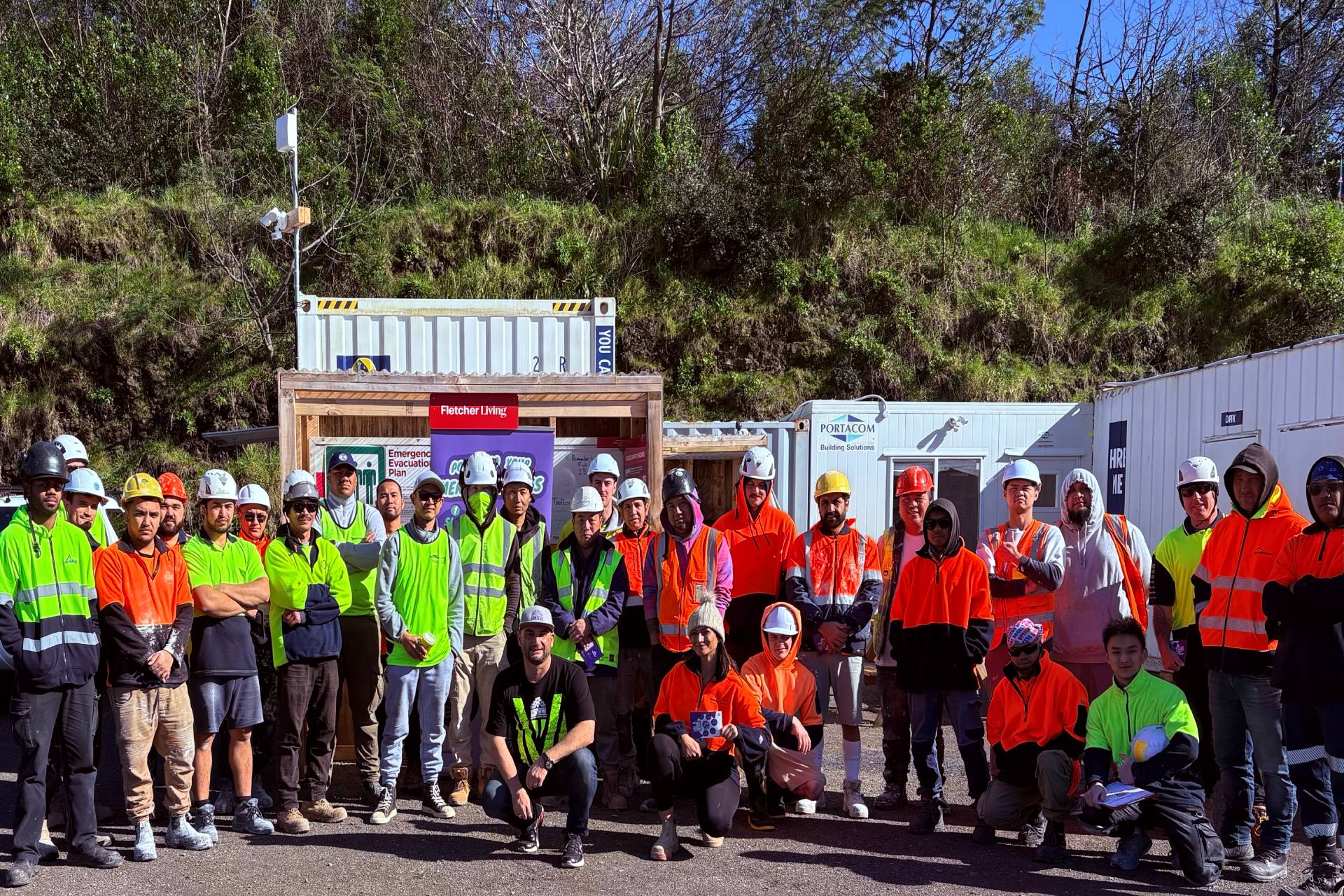
The future of mental fitness
2025 also marked the successful launch of Live Well, Build Well’s free online mental fitness course, developed with SiteSafe and featuring wellbeing expert Dr Grant Schofield. The course has already reached tens of thousands across the construction sector, including apprentices through BCITO.
ITM also came on board as the programme’s foundational partner and sponsor. ITM continues to uplift and extend the programme’s reach and ensure sustainability as its initial three-year pilot wraps up.
“This partnership is about looking after the people who build New Zealand – our customers, our teams, and our communities,” says Chris Booth, GM Sales and Marketing at ITM. “Live Well, Build Well brings practical, relatable support to the industry, and we’re excited to help amplify their impact.”
The ongoing challenge will be ensuring that support systems, conversations, and resources continue to evolve alongside the industry, so that “building well” applies to both the job and the tradies completing it.
Looking ahead, Rafael and Live Well, Build Well’s focus is on securing new sponsors and sustaining the programme’s future. “Mental fitness isn’t just for when times are tough,” he says. “It’s something we build every day.”
Visit https://livewellbuildwell.com/ for more information.