Where Auckland grows next
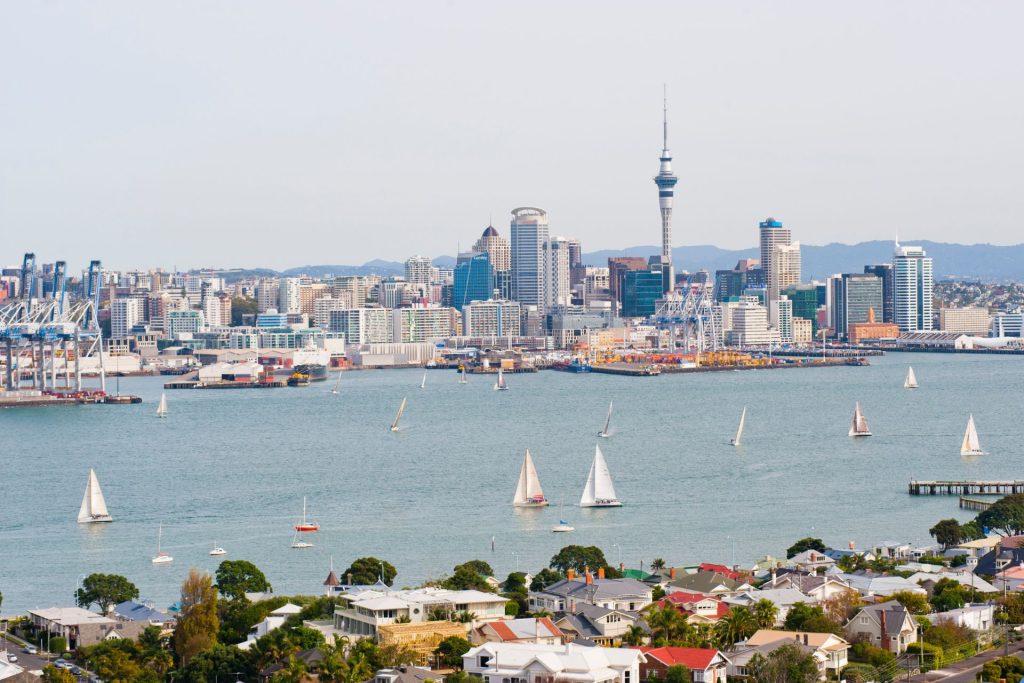
Auckland has taken another step towards denser urban housing, with the Albert-Eden Local Board voting to support the broader of two housing intensification options that will now go to public consultation.
The 5–2 decision, made on 3 July, recommends extending higher-density zoning across more of the central isthmus than the minimum required under government direction. If ultimately adopted through Plan Change 120, the proposal would remove Special Character protection from around 500 properties while allowing greater housing density around town centres and rapid transit corridors.
It is part of a wider planning process that will shape where Auckland grows over coming decades. Rather than setting housing targets, Plan Change 120 is designed to provide sufficient development capacity to accommodate future population growth while directing that growth towards areas with better access to public transport, jobs and services. At the same time, the plan proposes tighter controls on development in flood-prone locations, reflecting lessons from Auckland’s 2023 Anniversary Weekend floods.
Albert-Eden Local Board chair Margi Watson supported the broader option with amendments intended to spread growth across multiple centres and transport corridors rather than concentrating development in a smaller number of locations. Supporters argued that increasing housing supply in well-connected suburbs would improve affordability while making better use of existing infrastructure.
Opponents, including the Eden-Kingsland Society, argue that parts of the central isthmus already face ageing wastewater and stormwater infrastructure, while concerns remain about flooding risks and the impact of redevelopment on established neighbourhood character. Similar debates are playing out across Auckland as other local boards consider their own recommendations.
Supporters of retaining Special Character protections note they cover just 3.6% of the city’s residential land. Critics argue that within five kilometres of the city centre they apply to around 43% of residential properties; some of Auckland’s best-connected land. Finding the balance between heritage protection and accommodating growth remains one of the city’s most contested planning questions.
Infrastructure will play a central role in how intensification unfolds. Watercare’s $1.5 billion Central Interceptor, which is entering service this month, is expected to reduce wet-weather wastewater overflows by around 80% while increasing network capacity across much of the central isthmus. For developers, improving infrastructure capacity may remove one of the key constraints that has historically limited redevelopment in established suburbs.
Auckland’s planning reforms are also attracting international attention. Announcing a US$22 billion (NZ$37 billion) housing programme to deliver and preserve 400,000 affordable homes, New York Mayor Zohran Mamdani cited Auckland alongside Vienna, Austin, Minneapolis and Seattle as examples of cities using planning reform to increase housing supply. His proposal shares similarities with Plan Change 120, including directing higher-density development towards rapid transit corridors while easing zoning restrictions to enable more housing.
Public consultation on the Albert-Eden proposals is expected to begin alongside consultation on recommendations from other central Auckland local boards before Auckland Council determines the final planning framework. The outcome will help determine where higher-density housing is most likely to be delivered over the coming decades, and how Auckland balances growth with the character of its existing neighbourhoods.