Beach access causes tension
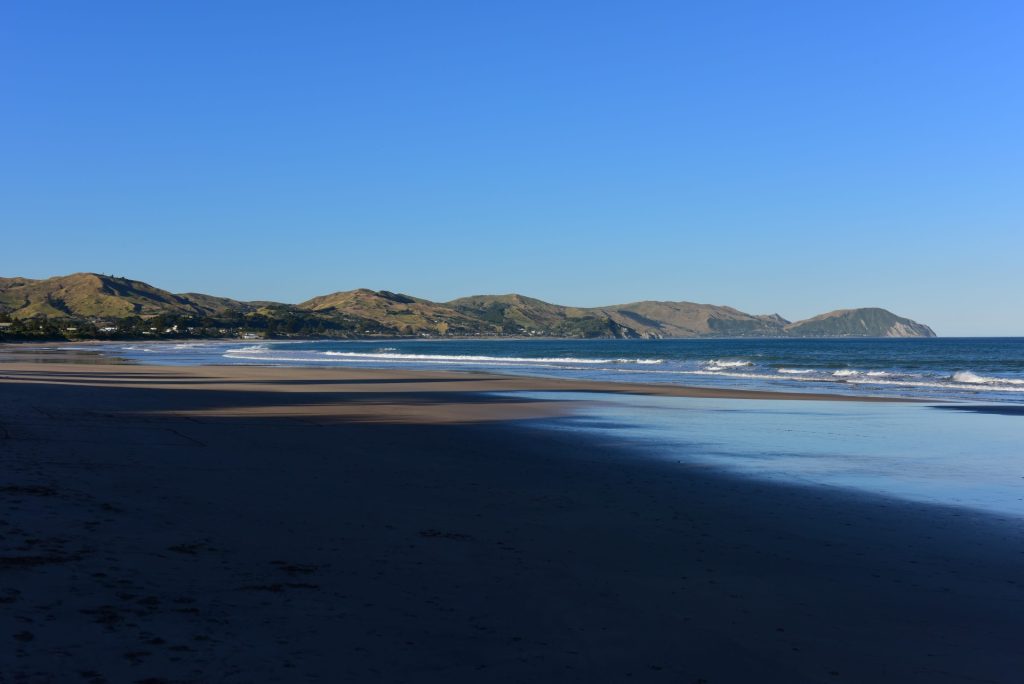
The Gisborne District Council is facing ongoing frustration from Wainui Beach residents over a long-closed accessway at Tuahine Crescent, with tensions now centred on how any replacement should be funded.
The accessway, which provided direct entry to Wainui Beach, has been shut for more than a year after temporary stairs were removed following storm damage and safety concerns linked to coastal erosion.
Residents say the closure has significantly reduced easy access to the beach and affected daily routines and local quality of life.
The council has pointed to a combination of factors behind the decision, including engineering safety issues, consent requirements, and rising costs.
Officials say any new structure would not simply be a repair, but a new build subject to resource consent and coastal hazard constraints.
Estimated costs for a permanent replacement have risen significantly, with earlier figures exceeding $100,000, placing pressure on already allocated budgets.
In recent communications with residents, council staff have indicated that if the community wants the accessway reinstated before the next long-term planning cycle (2027–2037), it may need to take a more active role in developing a proposal and contributing funding.
That position has prompted disappointment from locals, some of whom argue that beach access is a core public amenity that should be maintained through general rates.
Residents, meanwhile, have suggested alternatives such as crowdfunding or shared funding models, arguing that demand for the accessway remains strong and could attract broader community support.
Council representatives have not ruled out further engagement, but have emphasised that any solution must still meet engineering and regulatory requirements.
There’s a wider challenge for local councils across New Zealand: balancing community expectations for public infrastructure with rising construction costs, climate-related damage, and constrained budgets.
In coastal areas like Wainui, erosion and storm impacts are increasingly forcing councils to reconsider how accessways and reserves are funded, maintained, and prioritised.
For now, the accessway remains closed, with its future dependent on whether a viable funding and design solution can be agreed between the council and the community.