Fate of Auckland’s ghost tower up in the air
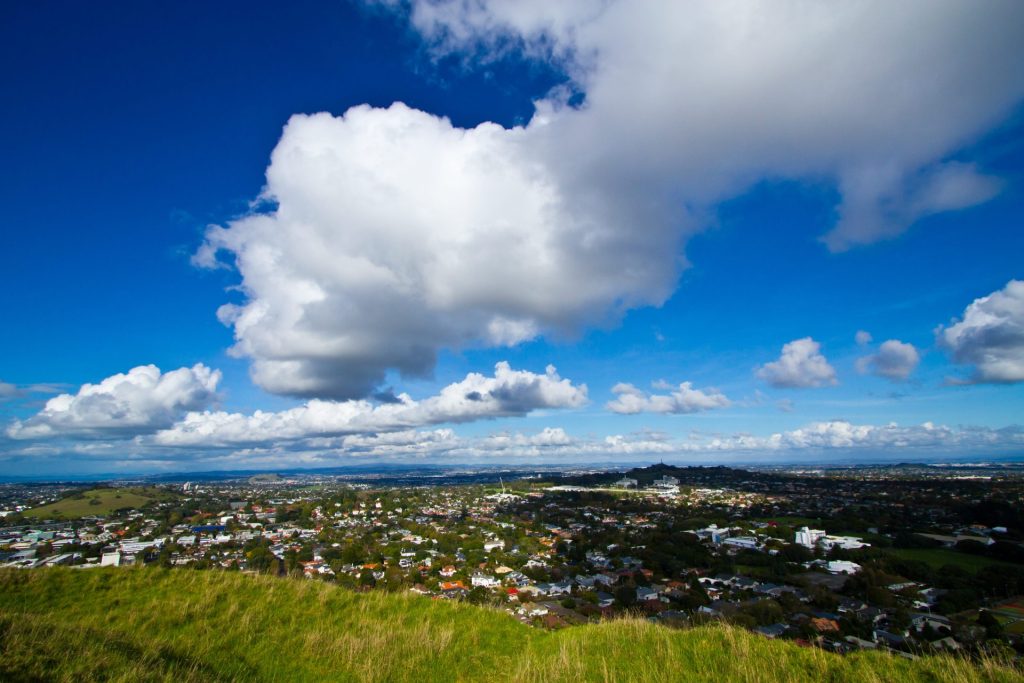
Auckland’s unfinished Seascape tower, widely referred to as the city’s ghost tower, has now become one of the nation’s most financially exposed property developments, with reports indicating the project’s developer owes close to $600 million.
The figure places the project among the largest distressed developments currently sitting in Auckland’s central city pipeline.
The debt is understood to be spread across a mix of secured lending, related-party financing, and unsecured creditors, reflecting a highly leveraged structure that has come under pressure as construction stalled.
The tower itself, located in Auckland’s CBD near the waterfront, was originally conceived as a high-end residential skyscraper aimed at offshore and domestic buyers seeking premium apartments.
The design included dozens of luxury units, high-spec amenities, and a prominent skyline presence intended to anchor the city’s vertical living market. However, construction halted in 2024, leaving the building partially completed and largely inactive since.
Rising interest rates, escalating construction costs, and weaker demand in the top end of the apartment market have all been identified as contributing factors to the project’s difficulties.
Over the past three years, New Zealand’s construction sector has faced sharp inflation in materials and labour, in some cases lifting build costs by more than 20–30%, while financing conditions have tightened significantly as lenders reassess exposure to large-scale residential projects.
The scale of the debt also reflects the complexity of modern high-rise financing in Auckland. Large developments typically rely on staged funding, presales, offshore investment, and multiple lending layers.
When one part of that structure weakens, such as slower-than-expected sales or refinancing challenges, the entire project can become vulnerable.
In the case of Seascape, the stalled status has created a visible gap in Auckland’s skyline and a growing question around what comes next.
Options typically considered in situations like this include recapitalisation through new investors, a distressed sale of the project, or restructuring of debt to allow construction to resume under revised conditions.
However, each path requires confidence in future apartment demand and significantly more capital injection.
For now, the building remains a high-profile example of risk in the upper end of Auckland’s property market.
Once promoted as a flagship luxury tower, it now stands as a partially completed structure tied to hundreds of millions in debt and an uncertain future.