Before the next big rain: managing erosion, runoff
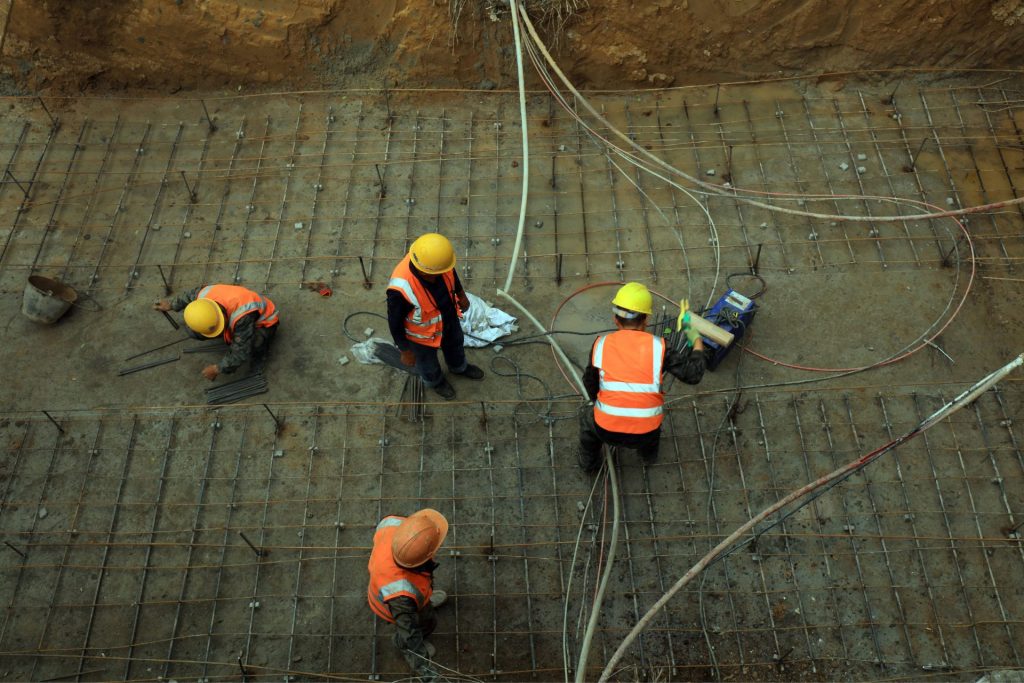
Heavy rain turns a building site into two problems at once. While the downpour is on, the question is where your dirty water is going. Once it clears, the question is whether the site is safe to walk back onto. Both sit with the person in control of the work, and both are easier to answer with a plan written before the clouds arrive than worked out in the mud afterwards.
Bare, disturbed ground sheds sediment-laden water fast, and that runoff carries silt, cement washings and fuel residues straight off the site unless something stops it. The water that leaves your site is your responsibility, and a brown plume reaching the kerb is visible to the neighbours, the council and anyone with a phone.
There is a regulatory floor under this. The Resource Management (National Environmental Standards for Freshwater) Regulations 2020, in force since 3 September 2020 and amended again in January 2026, set national rules for earthworks near water; including thresholds on the area you can expose and a requirement that disturbed ground be stabilised on completion and that soil and debris not be placed where they can reach a water body, drain or race. On top of that sit regional council rules and consent conditions, which often bite well before the national thresholds do. Get it wrong and the exposure runs from an abatement notice through to enforcement and the reputational hit of being the site that silted the stream.
The controls are not exotic. Auckland Council’s GD05 — the standard New Zealand reference for erosion and sediment control, last updated in August 2023 — and Environment Canterbury’s small-sites guidance both work from the same hierarchy: keep clean water clean, slow dirty water down, and catch the sediment before it leaves.
In practice that means:
• An erosion and sediment control (ESC) plan for the site, with one named person responsible for installing, checking and maintaining the measures
• Minimise what you expose. Stage the earthworks, and stabilise or cover bare ground and stockpiles you are not actively working
• Divert clean water around the disturbed area with bunds or channels so it never picks up sediment in the first place
• Silt fences and sediment retention on the down-slope side to filter and pond runoff so the heavy material drops out before discharge
• A stabilised entranceway — a metalled pad — so trucks aren’t tracking mud onto the road
• Dewater deliberately. Pump from excavations to a treatment or settlement point, never straight to the gutter.
Install the controls before you break ground, then check them after every significant rain — a silt fence full of sediment or a blocked diversion does nothing.
When the storm passes, the instinct is to get straight back to work. WorkSafe NZ’s storm-recovery guidance, issued 22 January 2026, is a useful brake on that. Jason Gibson, WorkSafe’s Acting Northern Regional Manager at the time, set out the hazards a flooded or storm-hit site presents — and they are not the obvious ones.
Floodwater and silt top the list. “Always assume that debris, flood water and silt is contaminated,” Gibson said — with farm run-off, sewage and chemicals — “stay away from it, or wear the right protection if you have to work in it.” Contaminated water also raises the risk of leptospirosis, so hand-washing and PPE matter. Treat every downed power line as live and keep clear, and have an electrician check any gear that won’t start once power is back, rather than switching it on and hoping. Run generators only with good ventilation and never use portable LPG indoors; carbon monoxide is the quiet killer in recovery work.
The ground itself is the next hazard. Waterlogged terrain is unstable, excavations and trenches may have collapsed or filled, and familiar routes can’t be trusted. Walk the whole site and reassess before anyone works on it. Finally, manage fatigue, recovery work is long and hard, so watch hours and conditions, and set up a check-in plan so no one is working alone out of contact.
The takeaway is the same for both halves: the work that protects you happens before the weather, not during it. Before the next big rain, confirm your ESC plan and who owns it, walk the controls, and agree how a storm-hit site gets inspected and signed off before the crew steps back on.