Dane Ambler on backing New Zealand-made
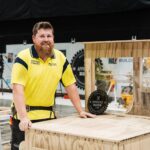
Rising costs, mounting pressure, global competition. The question of whether Kiwis truly back local products remains more relevant than ever. Buy NZ made executive director Dane Ambler talks manufacturer challenges, consumer habits, and Canterbury’s important role in backing homegrown products and businesses.
Do Kiwis actually prioritise New Zealand-made, or is price still the sole focus?
It’s complicated. Research consistently shows Kiwis want to buy local — there’s genuine pride in supporting homegrown products. But when they’re standing in the aisle or clicking checkout, price and convenience often win.
That said, we’re seeing a real shift. Post-COVID changed something in the national psyche. People experienced firsthand what supply chain disruption looks like and started asking, “Where does this actually come from?”
The cost-of-living crunch cuts both ways, too. Yes, it pushes some toward the cheapest option, but it also makes people think harder about where their money goes and whether it stays in the local economy. When people understand that buying New Zealand-made keeps jobs here and builds economic resilience, price becomes one factor among several — not the only one.
What are the big pressures facing Kiwi manufacturers?
Kiwi manufacturers are being squeezed from multiple directions. Energy, freight and labour costs have all risen sharply, making it hard to compete on price with goods produced in lower-cost environments.
We’re also a nation of five million — it’s genuinely difficult to achieve the economies of scale that offshore manufacturers enjoy. Getting shelf space in major retailers is an ongoing battle, and cheap imported goods sometimes sold below true cost of production undercut local makers who are doing right by their workers and the environment.
Despite all this, New Zealand manufacturers are remarkably resilient. Many are finding niches, investing in premium quality, and building direct-to-consumer relationships that sidestep the margin pressure.

What can government and councils do to support local?
Procurement is the single biggest lever available, and it remains underused. Central and local government collectively spend billions every year — shifting even a modest percentage toward New Zealand-made products would have a significant economic multiplier effect.
We’d love to see Buy Local procurement policies with real targets and accountability, not just aspirational statements. Mandatory and enforced country-of-origin labelling would also make a huge difference, so consumers and procurement teams can make genuinely informed choices.
Councils can lead by example too. When a Canterbury council fits out a community building with locally made furniture or sources catering from local producers, that’s visible leadership that signals values to the whole community.
What’s your take on buying New Zealand made in Canterbury?
Canterbury is genuinely exciting from a Buy NZ Made perspective. The region has a diverse manufacturing base — from world-class food and beverage producers on the Plains, to precision engineering firms in Christchurch, to innovative agri-tech companies. Post-earthquake Christchurch rebuilt with intent, and that includes a strong “support local” culture running through hospitality, retail and the broader business community.
The challenge is visibility. Many extraordinary products are made right here, but consumers don’t always know the local story behind them. Better storytelling, stronger in-store labelling, and platforms connecting Canterbury makers with Canterbury buyers would make a meaningful difference.
What would you most like to see change in the way Kiwis shop and spend?
Above everything else, we’d love to see Kiwis make the origin question a habit. Before purchasing, simply ask: where was this made, and what happens to my money when I buy it?
We’d also love to see loyalty to local brands treated like loyalty to local sports teams. Kiwis passionately back the All Blacks and the Crusaders — that same tribal pride applied to homegrown businesses would be transformative. And we’d love a cultural shift where paying a fair price for a locally made product is seen as a point of pride, not a sacrifice.
When you buy New Zealand-made, you’re not just buying a product — you’re paying someone’s wages, funding a local family, and investing in the kind of economy we all say we want.