How to stay safe on Canterbury roads this winter
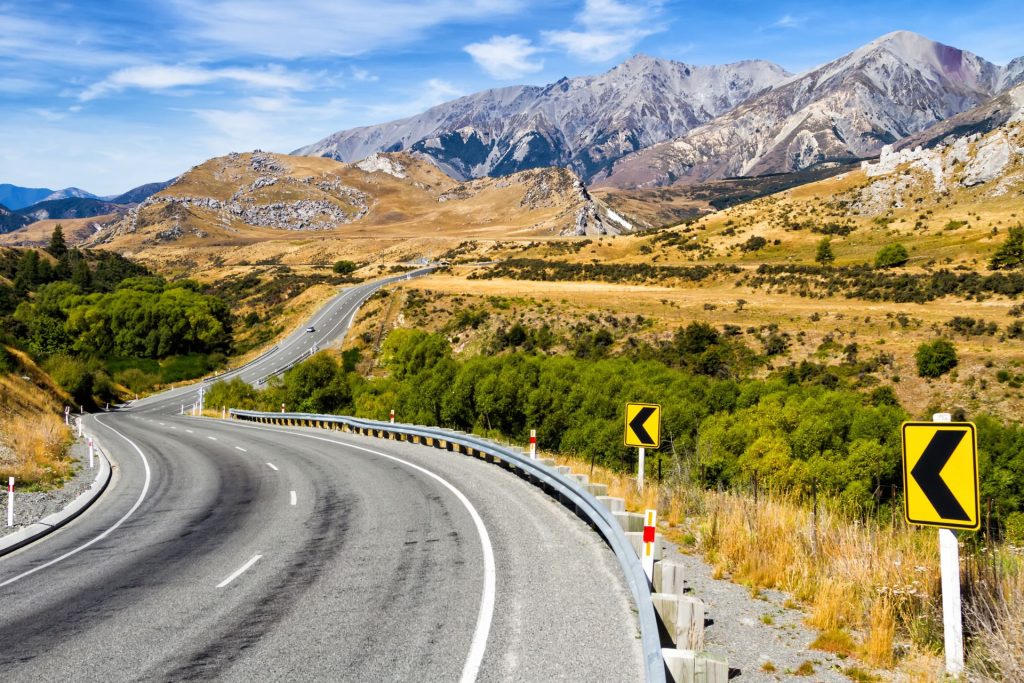
Canterbury’s winter driving conditions can turn from manageable to hazardous within a matter of kilometres, and with icy mornings, fog and the occasional snow dump already testing motorists this season, a refresher on basic winter road safety is timely.
Black ice is the one most drivers fear, and for good reason: it’s often invisible until a car is already sliding on it. If it happens, the advice from motoring authorities is consistent. Ease off the accelerator, avoid braking hard, and keep the steering wheel pointed in the direction the vehicle needs to go. Sudden inputs of any kind tend to make things worse, not better, on a slippery surface.
Fog is Canterbury’s other regular winter hazard, particularly across the Canterbury Plains. NZTA’s advice is to use low beams rather than high beams, since high beams reflect off the moisture in fog and actually reduce visibility further. Keeping windows and mirrors clear, and using the demister the moment they start fogging up, matters more than people tend to assume.
For those heading into alpine areas or anywhere snow chains might be required, it pays to know how to fit them before setting off, not at the roadside with cold hands and failing light. Vehicles should also carry basic supplies, warm clothing, water and a charged phone, in case of a breakdown or unexpected delay. Keeping the fuel tank at least half full through winter isn’t just good practice, it’s a genuine safety buffer if a route gets closed or diverted.
Fatigue deserves more attention than it usually gets. Tense, high-concentration winter driving is more tiring than a normal summer trip covering the same distance, and drivers underestimate how quickly that fatigue builds. Regular breaks on longer journeys, and a willingness to delay a trip altogether if conditions look genuinely bad, are both simple habits that prevent a disproportionate number of winter crashes.
Drivers should also give way, literally and figuratively, to road maintenance crews. Grit trucks and other treatment vehicles are a common sight on Canterbury’s alpine routes through winter, and following too closely or overtaking without clear space is a needless risk, particularly given the road surface immediately ahead of a treatment vehicle often hasn’t been treated yet.
None of this is complicated, but it’s easy to get complacent after a run of mild mornings. A ten-minute check before a winter trip, weather forecast, fuel level, tyre condition, chains if needed, remains one of the simplest ways Cantabrians can cut their own risk on the road this season.