What critical risk means for your site from 1 April 2027
Amendments to the Health and Safety at Work Act 2015 received Royal Assent on 9 July 2026, and the changes take effect on 1 April 2027. They rebuild New Zealand’s main workplace safety law around one idea, critical risk.
The amendments define critical risks as those associated with scheduled hazards such as asbestos and hazardous substances, plus any risk likely to result in death, a notifiable injury or illness, a notifiable incident or certain occupational diseases.
From the commencement date, businesses with fewer than 20 workers have specific duties to manage their critical risks, and must prioritise them when complying with other provisions of the Act and its regulations. Larger businesses still manage all risks, but they too put the critical ones first. Every business has to identify its critical risks based on what it knows or ought reasonably to know about its work.
The rest of the package changes the machinery around that duty. Industry, worker and employer organisations can develop their own codes of practice for the Minister of Workplace Relations and Safety to approve. A business that follows an applicable approved code is treated as having met the legal duty the code covers.
The amendments also clarify which injuries and illnesses go to WorkSafe as notifications, and they split officer duties between governance and day-to-day management. WorkSafe itself gets a shorter list of functions to prioritise, among them guidance, approved codes, Safe Work Instruments and enforcement.
Safe harbour is what makes that route worth taking. A code written by the sector and approved by the Minister gives the businesses that follow it certainty over the duties it covers.
That safe harbour applies to codes approved from 1 April 2027, plus two existing ones covering forestry and cargo work at ports. Other existing codes still count as evidence that a duty has been met without conferring safe harbour, and there is no construction-specific code in the initial safe-harbour set.
WorkSafe has spent the past quarter showing what that looks like in another industry. Since July, inspectors have visited more than 300 food manufacturing businesses as part of a proactive assessment programme running to the end of September.
“At this midway point, the common issues requiring improvements are machinery safety and hazardous substances management,” WorkSafe project lead Loren Molloy said in a statement on 28 August.
Machinery is a main cause of harm in manufacturing, WorkSafe says, causing around 200 injuries a year that keep a worker off the job for more than a week. Many of those involve workers caught in moving parts such as rollers, belts or blades, on machines that were not adequately guarded or locked out.
French Bakery was fined $200,000 in the Christchurch District Court on 24 February, with $45,500 in reparations, after a worker’s hand was pulled into machine rollers. He lost his index finger and part of his thumb, and his middle finger was crushed. A colleague had switched the machine on while his hand was inside it.
“WorkSafe expects businesses to identify their hazards and put effective controls in place,” Molloy said in the same statement. “For machinery, that means proper guarding, isolating machines before cleaning or maintenance, and making sure workers are trained to work safely.”
Hazardous substances were the other recurring gap. Recordkeeping and safe storage often needed improvement, and Molloy said too many businesses did not hold a hazardous substances inventory at all.
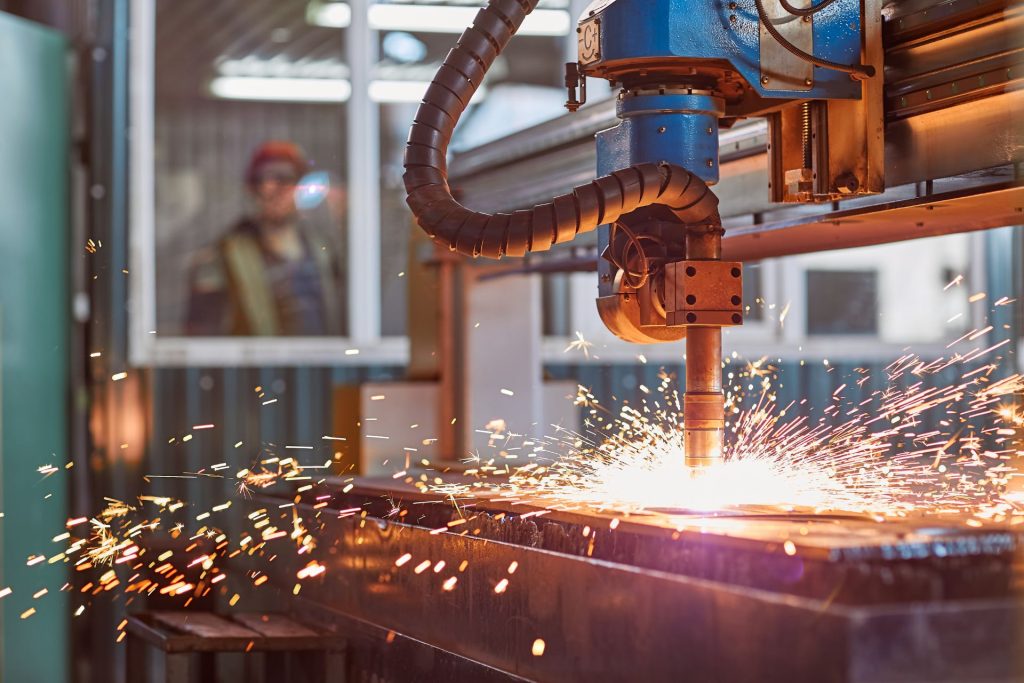
Those controls apply in any sector. Guarding, isolation before cleaning or maintenance, trained operators and a current inventory of what is stored on site read the same whether the machine is a dough roller or a concrete saw.
Inspectors also found good worker engagement, participation and representation at many sites, with workers suggesting improvements and raising concerns.
WorkSafe has said it will publish more information about the changes, and what they mean for businesses, before commencement. That leaves firms time to work out which of their risks are critical, and to document how they control them.
Detailed data from the assessments is due later this year, once the visits finish. Manufacturing records more injuries than any other sector, and food product manufacturing is one of three subsectors WorkSafe is concentrating on, alongside wood product manufacturing and metal fabrication. The findings from those 300-plus visits indicate the hazards likely to attract attention under a critical-risk approach.