What Auckland’s ten-year cruise plan means for travellers
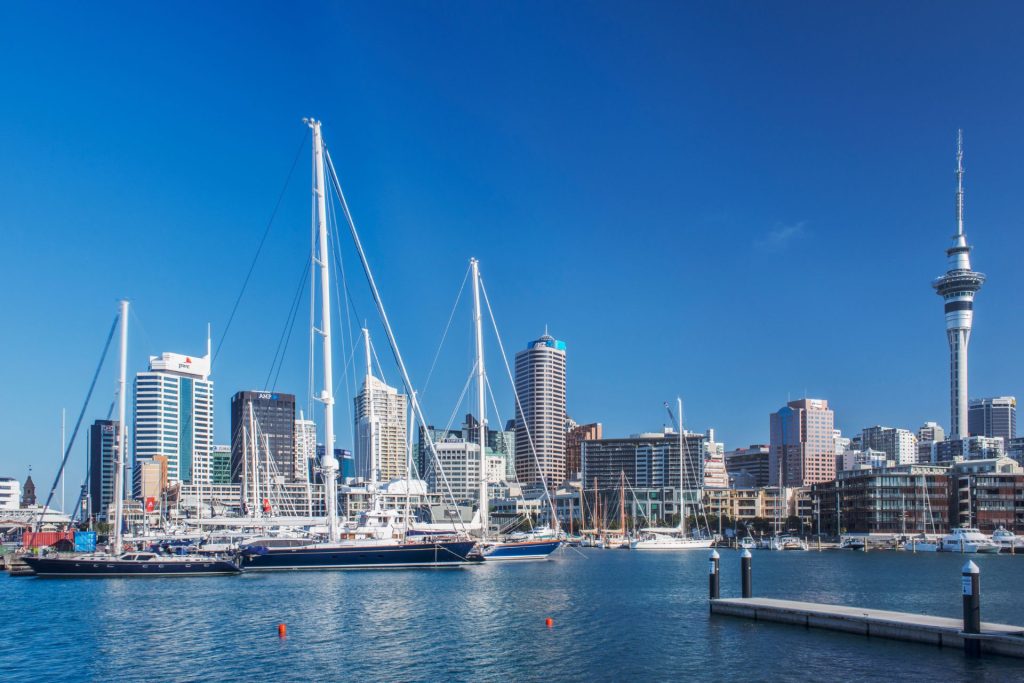
Part of the appeal of a cruise is that you only unpack once. The ship moves, you don’t, and the ports arrive while you sleep. The awkward part has always been getting aboard, because some South Pacific itineraries begin in Sydney or Brisbane. That turns a relaxed holiday into a flight, a transfer and a night in a hotel before anything relaxing has happened.
Auckland wants a bigger share of that turnaround business. Tātaki Auckland Unlimited, Auckland’s cultural, events and destination agency, has released the Auckland Cruise Plan 2026-2036 alongside Port of Auckland and industry partners. It runs ten years and its central ambition is turnaround business, the industry term for voyages that start and finish in a port rather than stopping by for a day.
Auckland handled roughly 15% of the country’s cruise passenger movements in the 2023/24 season, yet passengers and crew spent about $201 million in the region, which was 39% of all cruise passenger spending nationally. That activity generated around $244.6 million in regional GDP and supported about 3,780 jobs. Turnaround passengers generally spend more in the region than transit passengers, making the business particularly valuable to the local economy.
“Our ambition is for Auckland to be Oceania’s most compelling urban waterfront cruise hub and preferred turnaround destination, a place where visitors choose to begin or end their cruise because of the quality of the experience both on and off the ship,” says Annie Dundas, director of destination at Tātaki Auckland Unlimited.
Some of that work is concrete. Port of Auckland is building the Bledisloe North berth and terminal programme, and chief executive Roger Gray said the port has also found what he called innovative solutions to biofouling, the hull-cleaning issue that has caused ships to skip New Zealand ports in recent seasons. An Exchange Excellence Programme is meant to smooth the run between the airport and the wharf, a critical part of the turnaround when passengers are moving luggage and working to a tight boarding window.
Two other commitments matter to older travellers in particular. The plan names accessibility and wayfinding at existing cruise facilities as a priority, and it commits to working with mana whenua on Māori-led visitor experiences. Better signage and easier movement through a terminal sound minor on paper. Anyone who has queued with a walking stick and a suitcase knows they are not.
Mayor Wayne Brown described the approach as “getting the basics right”, by which he meant good infrastructure, good coordination and a great experience for visitors.
Whether it works depends on decisions made in cruise-line offices years ahead of any sailing, and Auckland controls only part of that picture. What the plan does signal is a deliberate push for longer stays, more winter sailings and more voyages that begin or end in Auckland. For anyone who has flown to Australia to board a ship, that is a change worth watching.