Crane statistics lowest since 2016
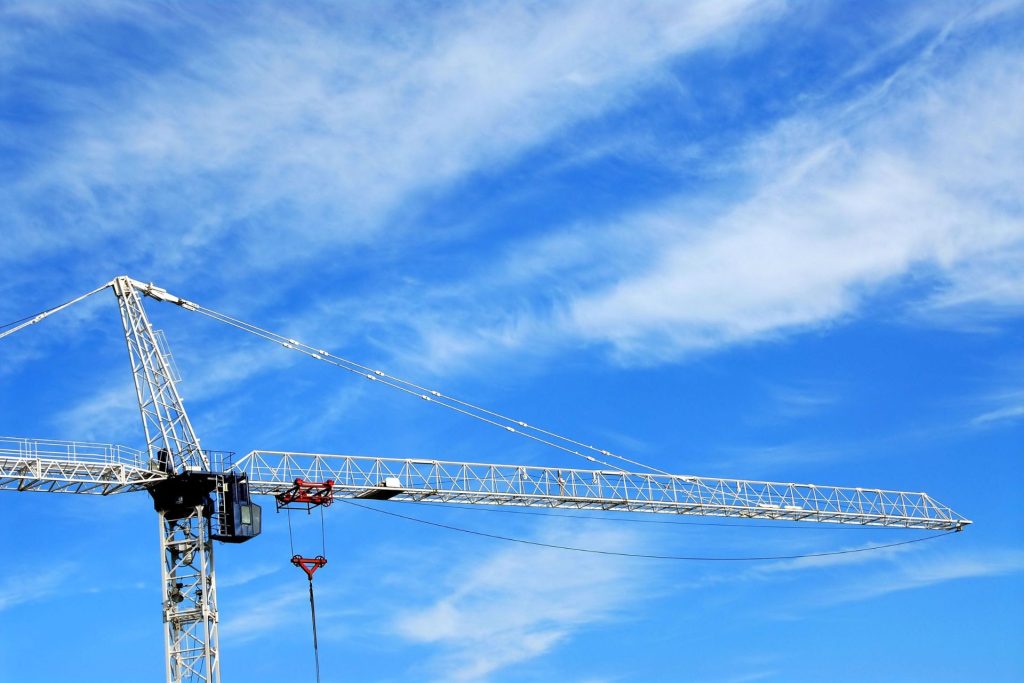
The nation’s crane activity has fallen to its lowest level in a decade. New Zealand’s construction slowdown is now clearly visible from above.
Crane counts are one of the most reliable indicators of real-time building activity. The Crane Index by quantity surveyors Rider Levett Bucknall (RLB) studies crane numbers in the nation’s main centres.
Associate director Bradley Coley says the number of long-term cranes fell to 102 in the first quarter of 2026. “The drop reflects the completion of several major projects, including aged care developments in Auckland and the removal of cranes from One New Zealand Stadium (Te Kaha) in Christchurch.”
The latest RLB Crane Index shows crane numbers falling from 116 in late 2025 to 102 in early 2026, which is a 12.1% drop that has pushed activity to its lowest point since 2016. Compared to the post-pandemic peak, the drop is even more pronounced, with crane numbers down roughly 28% since 2022.
“While construction activity remains subdued, we are moving along the bottom of the cycle. Lower interest rates and population growth are expected to support a gradual recovery,” he says.
Coley says a key challenge for the industry is the limited pipeline of committed projects. “Commitment beyond the design stage remains a major issue for the market, and even where projects do proceed, they are unlikely to reach construction in the near term.”
There are some signs of recovery. Residential construction, while still subdued, is showing early signs of stabilisation. Lower interest rates and steady population growth are beginnin to support new housing demand. Consents are also trending upward, suggesting future activity may lift, even if cranes haven’t yet followed.
However, non-residential construction continues to weaken. Commercial developments, aged care facilities, and large-scale private projects have all slowed, with fewer new builds replacing those now reaching completion. The result is a visible gap; cranes are coming down faster than they are going up.
Regionally, the picture is uneven. Auckland remains the dominant market, accounting for more than half of all cranes nationwide, though activity there has softened slightly. Christchurch, meanwhile, has experienced one of the steepest declines, largely due to the completion of major anchor projects such as One New Zealand Stadium. Other centres, including Tauranga and Hamilton, have seen more modest or stable activity.
Across the country, the churn tells its own story: more cranes are being removed than installed, showing a lack of replacement projects entering the build phase. This aligns with broader industry feedback, where developers remain cautious, and many projects are stalling at the feasibility or design stage due to cost pressures and uncertain returns.
“A sustained recovery will depend on stronger project commitment and confidence from both public and private sector clients,” Coley says.
“In the meantime, the sector is likely to remain constrained, with recovery led by selective residential and infrastructure projects.”