Landslide claims surge as storms intensify
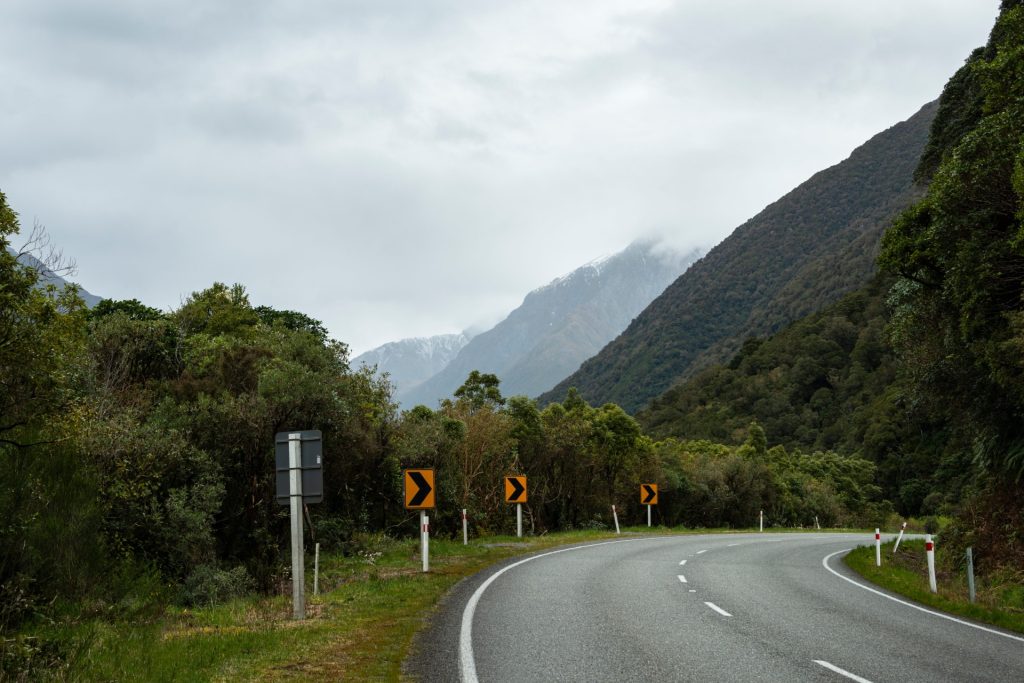
Following a sustained period of severe weather, the Natural Hazards Commission says it is now receiving more claims for landslide damage than for any other natural hazard, with growing pressure on vulnerable properties.
The organisation has recorded almost 13,000 landslide-related claims over the past five years — an increase of around 10,000 compared with the previous five-year period.
The sharp rise reflects what officials say is a clear trend toward more frequent and intense storm events, which are increasing slope instability in both urban and rural areas.
Chief Executive Tina Mitchell said landslides can occur with little warning and often cause significant damage to homes, infrastructure and land, with some events posing direct safety risks to residents.
“As storms become more frequent and intense, landslides are understandably a growing concern for many communities,” she said. “A good first step is understanding the risk in your area and the practical things you can do to strengthen your property.”
NHC Toka Tū Ake is urging homeowners, particularly those living on or near slopes, to prioritise regular property maintenance, effective drainage, and early professional advice where stability concerns exist.
The agency notes that geotechnical engineers can assess slope risk and recommend mitigation measures such as retaining wall upgrades or drainage improvements.
Residents are also being encouraged to watch for early warning signs of ground movement, including new cracks in soil or foundations, leaning retaining structures, and sudden changes in ground conditions following heavy rainfall.
A key focus of the warning is insurance awareness. Under the national natural hazards scheme, homeowners are covered for up to $300,000 plus GST for damage to insured residential buildings caused by events such as landslides, earthquakes, tsunamis, volcanic activity and geothermal events.
Any additional loss beyond that cap may be covered by private insurance, depending on individual policy terms.
However, land cover is more limited and only applies in specific circumstances, often restricted to the immediate area around a home, typically within eight metres, and subject to statutory caps. Driveways may also be covered in some cases, but long or complex accessways are not always fully protected.
The agency is also encouraging property buyers to check the Natural Hazards Portal for historical claims data, which can provide insight into previous landslide activity and broader hazard exposure before purchasing.
“Understanding your property’s natural hazard risks before an event occurs can help reduce stress and financial pressure later,” Tina says.